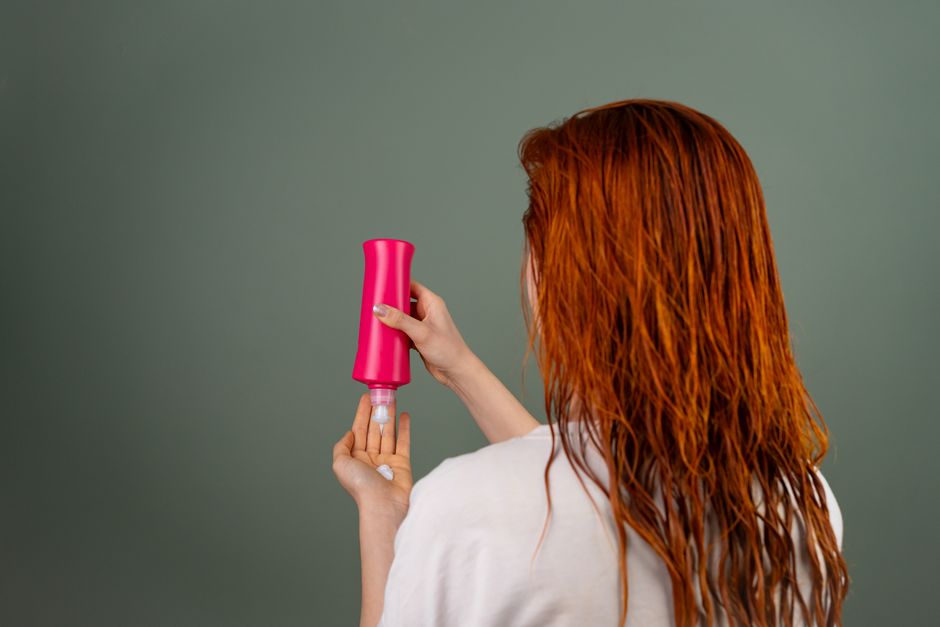
Deep conditioning is a hair care practice that involves applying a nutrient-rich product to the hair for an extended period, allowing it to penetrate the hair shaft and deliver moisture, protein, and other beneficial ingredients. Unlike daily conditioners that primarily coat the surface, deep conditioners are formulated to address specific concerns such as dryness, breakage, and lack of shine. Incorporating this step into a weekly regimen can be a systematic approach to maintaining hair health, especially for those who regularly use heat styling tools, color treatments, or exposure to environmental stressors. Understanding the purpose and methodology of deep conditioning can help individuals make informed decisions about their hair care routines.
This article explores the concept of weekly deep conditioning, covering its benefits, how to select appropriate products, application techniques, and frequency considerations. The information provided is intended for educational purposes and should be adapted to individual hair types and needs. While deep conditioning can be a valuable addition to a hair care regimen, results may vary based on hair condition, product ingredients, and consistency of use. Consulting with a hair care professional can provide personalized guidance. GlowGuide emphasizes a balanced approach to hair care that prioritizes overall hair wellness through informed practices.
Understanding Deep Conditioning and Its Role in Hair Health
Deep conditioning is a process that goes beyond the surface-level effects of regular conditioners. It involves the use of masks, treatments, or intensive conditioners that are left on the hair for a longer duration, typically 15 to 30 minutes, sometimes with the aid of heat. These products contain higher concentrations of conditioning agents, such as oils, butters, humectants, and proteins, which are designed to temporarily fill gaps in the hair cuticle and improve manageability, softness, and shine. The hair shaft consists of three layers: the cuticle, the cortex, and the medulla. Damage often occurs when the cuticle becomes lifted or removed, exposing the cortex and leading to moisture loss and breakage. Deep conditioners aim to smooth the cuticle and replenish lost moisture and nutrients.
The role of deep conditioning in hair health is multifaceted. It can help restore moisture balance, which is crucial for hair elasticity and strength. Moisturized hair is less prone to breakage and split ends. Additionally, deep conditioning can improve the appearance of hair by adding shine and reducing frizz. For chemically treated or heat-damaged hair, deep conditioning may help mitigate further damage by providing a protective layer and reinforcing the hair structure. However, it is important to note that deep conditioning is not a permanent repair; it is a maintenance practice that requires regular application to sustain its effects. The frequency and type of deep conditioning should be tailored to the individual’s hair type, porosity, and level of damage.
Benefits and Considerations of Weekly Deep Conditioning
Incorporating deep conditioning into a weekly regimen offers several potential benefits, but it is essential to approach it with realistic expectations. One of the primary advantages is improved hydration. Dry hair lacks moisture, which can lead to brittleness and a dull appearance. Deep conditioners with humectants like glycerin or honey attract and retain moisture, while emollients like shea butter or coconut oil seal it in. This can result in softer, more supple hair that is easier to style and less likely to tangle. Another benefit is enhanced shine. When the cuticle is smoothed down, light reflects more evenly, giving hair a glossy finish. This is particularly noticeable in hair that has become dull due to product buildup or environmental exposure.
Despite these benefits, there are considerations to keep in mind. Over-conditioning can occur if deep treatments are used too frequently or with products that are too heavy for the hair type. This can lead to limp, greasy hair or weighed-down curls. Protein treatments, in particular, should be used cautiously, as excessive protein can make hair stiff and prone to snapping. It is advisable to alternate between moisture-based and protein-based deep conditioners based on the hair’s current state. Additionally, individuals with fine hair may find that weekly deep conditioning is too heavy and may opt for every other week or use lightweight formulas. Those with coarse or highly porous hair might benefit from more frequent sessions. Listening to the hair’s response and adjusting the routine accordingly is key. GlowGuide suggests keeping a simple hair journal to track products and results, which can help identify what works best over time.
Choosing the Right Deep Conditioner for Your Hair Type
Selecting an appropriate deep conditioner requires an understanding of hair type, porosity, and specific needs. Hair type can be broadly categorized by texture (fine, medium, coarse) and pattern (straight, wavy, curly, coily). Fine hair tends to be easily weighed down, so lightweight formulas with ingredients like aloe vera or glycerin are often preferred. Medium hair can handle a wider range of products, while coarse hair may benefit from richer, heavier creams and butters. Porosity refers to the hair’s ability to absorb and retain moisture. Low porosity hair has tightly closed cuticles and may resist moisture, requiring products that are easily absorbed and the use of heat during deep conditioning. High porosity hair has open cuticles, loses moisture quickly, and benefits from protein-rich treatments to fill gaps and seal in moisture.
When reading product labels, look for key ingredients. Humectants such as glycerin, honey, and panthenol draw moisture into the hair. Emollients like coconut oil, olive oil, and shea butter provide lubrication and softness. Proteins such as hydrolyzed keratin, silk amino acids, and wheat protein can temporarily reinforce the hair structure, but should be balanced with moisture to avoid stiffness. Avoid products with high alcohol content or harsh sulfates, which can be drying. It may be helpful to perform a patch test or strand test before committing to a full application, especially if trying a new brand or formula. Consulting with a dermatologist or trichologist can be beneficial for those with scalp conditions or severe hair damage.
How to Apply Deep Conditioner for Optimal Results
The application technique can influence the effectiveness of a deep conditioning treatment. Start by shampooing the hair to remove buildup and open the cuticle. Using a clarifying shampoo once a week can help ensure that the deep conditioner penetrates effectively. After shampooing, gently towel-dry the hair to remove excess water; this prevents dilution of the product. Section the hair into manageable parts and apply the deep conditioner from mid-lengths to ends, avoiding the scalp unless the product is specifically designed for scalp use. For fine hair, use a wide-tooth comb to distribute the product evenly and prevent clumping. For thicker hair, fingers or a brush designed for conditioning can help ensure even coverage.
Once applied, cover the hair with a plastic cap or use a thermal cap to generate heat, which can help lift the cuticle and allow the ingredients to penetrate more deeply. Leave the conditioner on for the recommended time, typically 15 to 30 minutes. Rinsing with cool water can help seal the cuticle and enhance shine. After rinsing, follow with a leave-in conditioner or styling product as desired. It is important not to over-rinse, as some conditioning agents are designed to remain on the hair for continued benefit. However, if the hair feels greasy or weighed down after rinsing, it may be a sign that the product was too heavy or not rinsed thoroughly. Adjusting the amount of product and rinse time can help achieve the desired balance.
Frequency and Integration into a Weekly Hair Care Routine
The frequency of deep conditioning depends on several factors, including hair type, condition, and lifestyle. For most people, once a week is a reasonable starting point, but this can be adjusted. Those with oily scalps and fine hair may find that every two weeks is sufficient, while those with dry, damaged, or coarse hair might benefit from twice weekly sessions. It is also important to consider other hair care practices. For example, if using a protein treatment, it may be best to alternate with a moisture treatment to maintain balance. Clarifying before deep conditioning can enhance absorption, but over-clarifying can strip natural oils, so moderation is key. A simple weekly routine might include: shampoo, deep condition, rinse, and style. Over time, this practice can become a habit that supports hair health.
Integrating deep conditioning into a weekly regimen does not require a complete overhaul of existing habits. It can be as simple as setting aside 30 minutes once a week for a treatment. Pairing it with other self-care activities, such as reading or listening to music, can make it an enjoyable ritual. Consistency is more important than intensity; regular, moderate deep conditioning is generally more beneficial than sporadic, intense treatments. Keeping track of how the hair responds can help fine-tune the approach. If adverse reactions occur, such as irritation or increased breakage, discontinue use and consult a professional. Ultimately, the goal is to support the hair’s natural resilience through informed, gentle care.