Nail Strengthening Tips for Brittle Nails
Brittle nails are a common concern characterized by splitting, peeling, and easy breakage. This condition can result from a variety of factors, including environmental exposure, mechanical stress, and individual biological tendencies. Understanding the underlying causes is the first step toward developing an effective care routine.
In this article, we explore practical methods to strengthen brittle nails and reduce the likelihood of breakage. The focus is on gentle, consistent care practices that support nail health over time. These approaches are grounded in general principles of nail biology and can be adapted to different lifestyles and preferences.
It is important to note that nail condition is influenced by multiple internal and external factors. While the tips provided here are intended to support nail strength, individual experiences may vary. A balanced approach that considers overall health and environmental context is recommended.
Understanding Brittle Nails
Brittle nails, medically known as onychorrhexis, involve increased fragility of the nail plate. This fragility often manifests as vertical ridges, peeling layers, and breaks at the tips. The nail plate is composed primarily of keratin, a protein that provides structure and resilience. When the nail plate loses moisture or undergoes repeated trauma, its integrity can be compromised.
Several factors contribute to brittle nails. Environmental elements such as dry air, frequent hand washing, and exposure to harsh chemicals can strip natural oils from the nail plate. Mechanical actions like typing, opening packages, or using nails as tools can cause micro-damage that accumulates over time. Additionally, nutritional status, age, and certain medical conditions may influence nail quality.
It is essential to recognize that brittle nails are not solely a cosmetic issue; they can signal underlying imbalances. However, in many cases, they are a result of external stressors that can be managed with appropriate care. Identifying contributing factors can help tailor a strengthening routine.
Moisturizing and Hydration
Maintaining adequate moisture is fundamental for nail flexibility and strength. The nail plate needs a balanced level of hydration to prevent brittleness. Moisturizing regularly helps to replenish lost oils and water, reducing the risk of splitting and peeling. Products that contain humectants and emollients can be particularly beneficial.
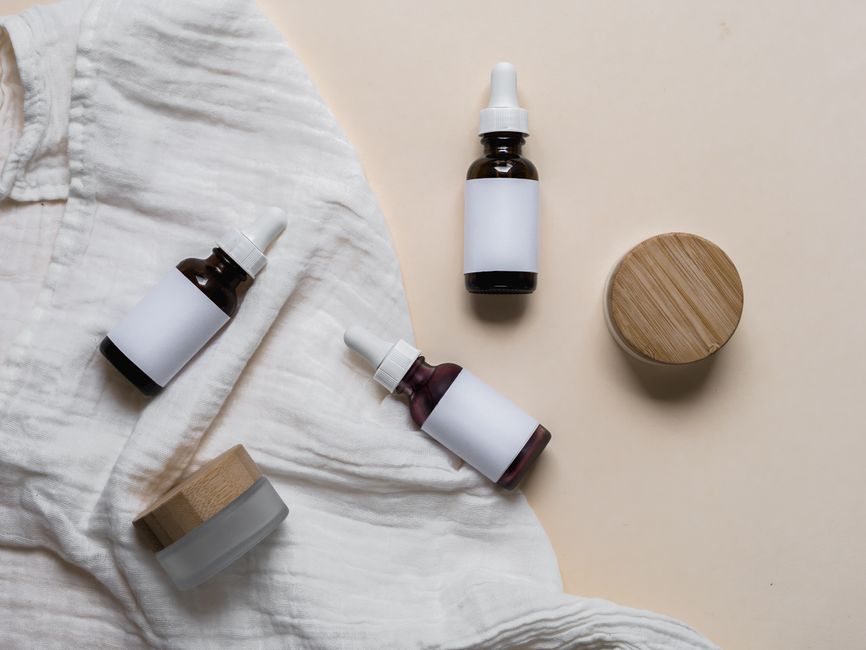
Hand creams and cuticle oils are effective delivery systems for moisture. Look for formulations with ingredients like glycerin, jojoba oil, or lanolin, which help to seal in moisture. Applying these products after hand washing and before bedtime can enhance their effectiveness. For those who frequently expose their hands to water, reapplication throughout the day may be necessary.
In addition to topical products, wearing gloves during household chores can protect nails from water and detergents. Cotton-lined rubber gloves are a practical option for tasks like dishwashing or cleaning. This simple measure can reduce the drying effects of soaps and hot water.
Hydration also involves internal factors. Drinking sufficient water supports overall bodily functions, including the health of skin and nails. While the direct impact on nail moisture is not fully established, maintaining hydration is a reasonable component of a comprehensive nail care routine.
Nutritional Support
Nutrition plays a supportive role in nail health. The nail plate is a product of continuous cell division and keratinization, processes that require a steady supply of nutrients. A balanced diet that includes vitamins, minerals, and proteins can contribute to the structural integrity of nails.
Biotin, a B-vitamin, is often cited in the context of nail strength. Some studies suggest that biotin supplementation may improve nail thickness and reduce splitting in individuals with deficiencies. However, evidence for its benefit in people without deficiencies is limited. Foods rich in biotin include eggs, nuts, and whole grains.
Other nutrients that may support nail health include vitamin C, which is involved in collagen synthesis, and zinc, which plays a role in protein synthesis and cell growth. Iron and calcium are also important for overall tissue health. A varied diet that encompasses fruits, vegetables, lean proteins, and healthy fats can help meet these needs.
It is advisable to consult with a healthcare professional before starting any supplement, as excessive intake of certain vitamins can have adverse effects. A blood test can identify specific deficiencies that may be addressed through dietary changes or targeted supplementation.
Protective Practices
Protecting nails from mechanical damage is a key strategy for preventing breakage. Simple adjustments in daily habits can significantly reduce stress on the nails. For instance, using the pads of the fingers rather than the nails to open items or pick up objects can prevent unnecessary trauma.
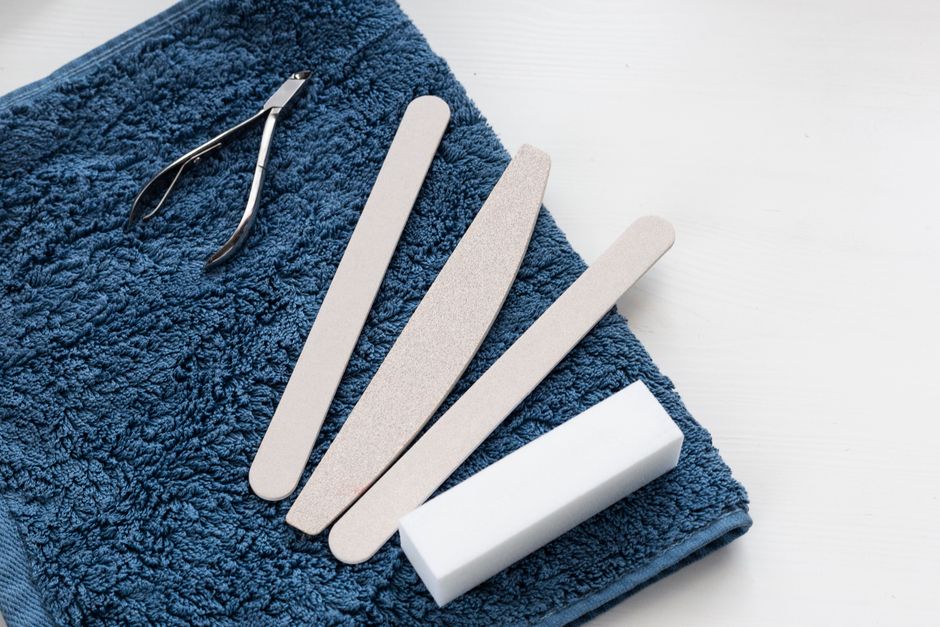
Keeping nails filed to a moderate length can also reduce the risk of snags and breaks. A nail file with a fine grit is less likely to cause micro-tears. Filing in one direction rather than back-and-forth can help maintain the nail edge integrity. Additionally, avoiding the use of nails as tools is a basic but effective practice.
When engaging in activities that may damage nails, such as gardening or home repairs, wearing protective gloves is advisable. Gloves act as a barrier against physical and chemical hazards. For those who work with their hands, incorporating such protective measures into the routine can be beneficial.
Cuticle care is another aspect of protection. The cuticle serves as a seal between the nail plate and the skin, preventing infection. Gentle pushing back of cuticles, rather than cutting, can maintain this barrier. Regular application of cuticle oil can keep the area supple and less prone to damage.
Avoiding Harsh Treatments
Many cosmetic practices can inadvertently weaken nails. Frequent use of nail polish removers, especially those containing acetone, can strip oils and moisture from the nail plate. Limiting the use of such products or choosing acetone-free alternatives may help preserve nail integrity.
Gel and acrylic nails, while popular, involve processes that can thin the nail plate. The removal process often requires filing or soaking in solvents, which can further weaken nails. If such enhancements are used, giving nails periodic breaks can allow them to recover. It is also important to follow proper application and removal techniques to minimize damage.
Excessive filing of the nail surface can thin the plate and lead to fragility. Buffing should be done sparingly and with a gentle touch. Similarly, using nails as tools for scraping or prying should be avoided.
When using cleaning agents or other chemicals, wearing gloves is recommended. These products can be harsh on nails and skin. Taking these precautions can help maintain nail strength over time.
When to Seek Professional Advice
While self-care measures can improve nail condition, persistent brittleness may warrant professional attention. A dermatologist or healthcare provider can evaluate nails for underlying conditions such as fungal infections, thyroid disorders, or nutritional deficiencies. Medical history and physical examination can guide appropriate management.
Signs that may indicate a need for professional evaluation include severe splitting, pain, redness, or changes in nail color or shape. These symptoms could point to conditions that require specific treatment. Early intervention can often prevent progression and support nail recovery.
In some cases, brittle nails may be a side effect of medications or a manifestation of systemic disease. A healthcare professional can provide personalized advice and treatment options. It is always prudent to seek qualified guidance when uncertain about the cause or appropriate course of action.
GlowGuide encourages a holistic approach to nail care that respects individual variability. By combining gentle practices, nutritional awareness, and professional consultation when needed, individuals can support the health and appearance of their nails.